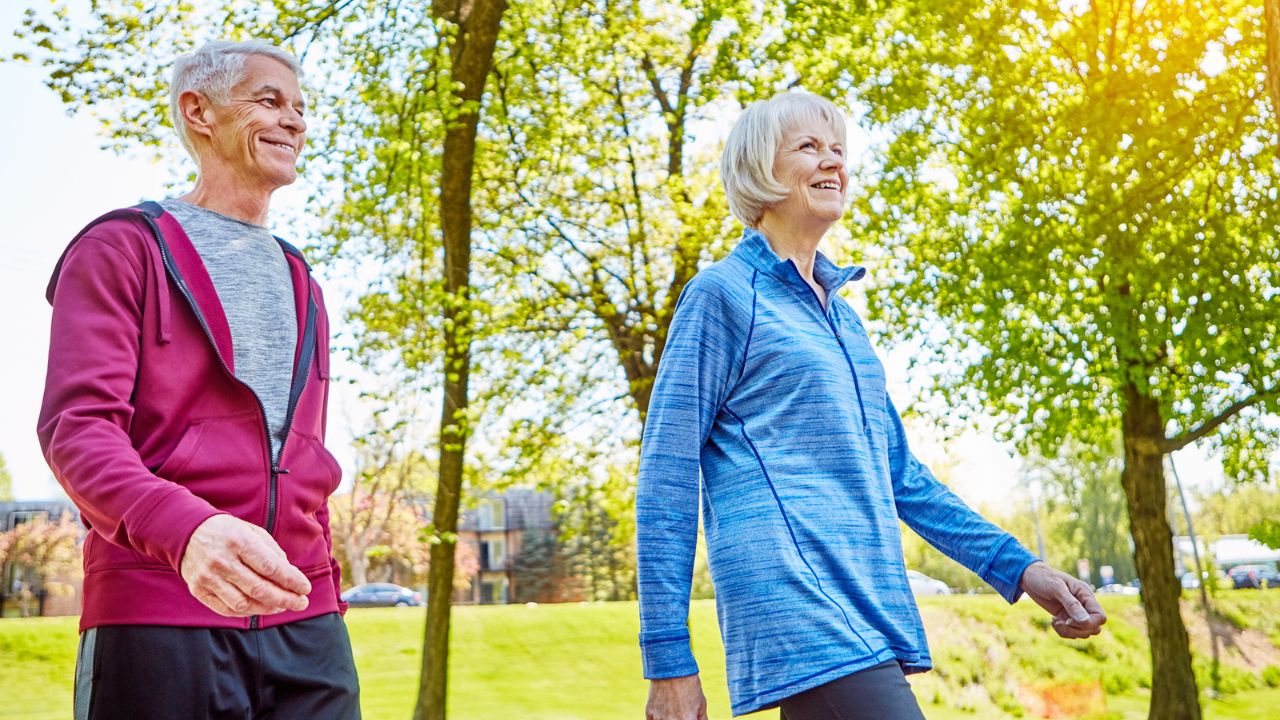
Mobility is critical for living independently. It allows us to complete everyday tasks and pursue our favorite activities.
As we age, we may develop certain conditions such as muscle weakness, joint problems or brain/nervous system problems that can impact our ability to move around. This can mean we experience unsteadiness when walking or have difficulty getting in and out of a chair or bed.
Age-related Reasons For a Decline in Mobility
- Change in gait: Our gait becomes more cautious. These changes include a slower walking speed, a reduced step length and increased step width, less arm swinging, and stooping posture.
- Loss of balance: Our balance becomes less stable. These changes can result from vision or ear problems, a neurological condition, muscle weakness or medication resulting in a feeling of unsteadiness, lightheadedness, difficulty walking or general fatigue.
- Reduction in physical strength: Our muscle mass and strength begin to decline after the age of 30 with acceleration occurring after the age of 60. This decline can result from hormonal changes, inactivity and poor nutrition.
When added together, our decline in mobility increases our risk of falls. Falls are the number one cause of injury in older adults. Every year, one-third of people aged over 65 and half of those aged over 80 fall at least once.
This risk is the primary reason older adults lose their independence making it harder to leave their home for activities and social interactions. These lost activities help reduce feelings of isolation and increase overall life satisfaction.
As we lose our physical function, we become more sedentary and may have difficulty with Activities of Daily Living (ADLs), such as bathing, dressing, eating, and continence.
Decreased mobility can lead to an increased reliance on caregivers, difficulty remaining at home and a poorer quality of life.
Can We Reverse or Slow Age-Related Mobility Decline?
Absolutely! There are a number of ways we can slow or reverse age-related decline.
1. Exercise
Staying active will help you improve your health, energy, and overall well-being. When we don’t get enough physical activity, our chances of falling increase and we can become physically weaker.
The National Institute on Aging says four types of exercise can help improve our health and physical ability as we age. Below are the four types as well as a few examples of each:
- Strength Training: lifting weights, carrying groceries, gripping a tennis ball, using a resistance band
- Endurance: walking, dancing, climbing stairs and swimming. Marching in place or while sitting is effective for those with limited mobility.
- Balance: standing on one foot, heel-to-toe walks, standing from a seated position
- Flexibility: stretching and yoga
There are many free online exercise and wellness classes available on the internet, including on the AARP site. These classes cover a range of fitness levels and interests, including gentle workouts, chair exercises, yoga, and more.
2. Nutrition
As we age, our nutrition should focus on nutrient-dense foods, adequate protein intake, and proper hydration. This includes plenty of colorful vegetables that can be roasted and served with lean protein sources.
Fruit can be a great way to satisfy our craving for sugar. Hydration is also important so using a large water bottle allows for easy tracking of fluid intake.
3. Home Adaptations
There are a few simple home adaptations that can significantly reduce the risk of falls at home.
- Grab bars and handrails in the bathroom make showers much safer
- Assistive lighting is beneficial for those with poor vision
- Ramps and wider doorways increase accessibility for wheelchairs and walkers
- Stairlifts reduces the risk of navigating stairs
- Changing the flooring and eliminating rugs reduces trip hazards
Change doesn’t happen overnight so make yourself a promise. For the next 30 days, lift weights, walk daily and eat home cooked meals. You’ll look better, feel better and have more energy!
Preferred Care at Home of Central New Jersey
At Preferred Care at Home of Central New Jersey, we are proud to walk beside our clients with care that respects who they are and what they need to thrive.
Whether you’re just starting to explore in-home care options or are ready to build a personalized care plan for yourself or a loved one, our team is here to support you with compassion and confidence.
Contact us to discuss your needs.