Stroke is the leading cause of disability in the United States, with one occurring every 40 seconds. A stroke occurs when a blood vessel is either blocked or ruptures. When that happens, brain cells die due to lack of oxygen and nutrients.
Three Types of Strokes
- Ischemic strokes occur when a clot blocks the blood flow to the brain. It accounts for 87% of all strokes. The main cause is plaque that lines the vessel walls. Those who have experienced an ischemic stroke have described feeling a sudden onset of neurological symptoms (unable to reach for their glasses, slurred speech, double vision or loss of vision, sudden headache, weakness, etc.)
- Hemorrhagic strokes occur when a weakened blood vessel ruptures, bleeds into the brain and prevents blood flow to the brain. It accounts for 13% of all strokes. Those who have experienced a hemorrhagic stroke have described a feeling of something breaking in their head and then had a warm sensation of blood cascading down the back of the head.
- A transient ischemic attack (TIA), or mini stroke, is caused by a temporary clot. TIAs signal the possibility of a full-blown stroke ahead. Immediate medical attention is required even if the symptoms clear quickly.
Stroke Risk and the Importance of Early Detection
The risk of a stroke grows exponentially after the age of 55, with stroke rates doubling every 10 years. Quick identification of symptoms increases the likelihood of a positive outcome.
The “BE FAST” acronym was designed to help identify when someone may be having a stroke. You may not be able to see all the symptoms, but the critical point is to act quickly when you see the sudden onset of any of these symptoms.
| B | E | F | A | S | T | |
| BALANCE | EYES | FACE | ARM | SPEECH | TIME | |
| Sudden loss of balance | Sudden change in vision | Sudden facial drooping | Sudden arm or leg weakness | Sudden speech difficulty | to call 911 |
How long someone stays in the hospital or rehabilitation center after a stroke depends on the severity of the stroke, the individual’s recovery rate, and the intensity of the therapy they are receiving. Stroke rehab may include physical, occupational, and speech therapy and is designed to help individuals regain the ability to care for themselves. Going home is dependent upon several factors:
- Individual’s ability to take care of one’s self
- How much help there will be at home
- Whether the home is a safe place (for example, does the home have fall hazards or require assistive devices?)
Going home after a stroke requires careful planning. Preferred Care at Home of Central New Jersey will partner with your medical team to ensure the transition from hospital-to-home is seamless. We will meet with the Discharge Planning Team, perform an assessment and develop a care plan before your discharge.
Preferred Care at Home of Central New Jersey
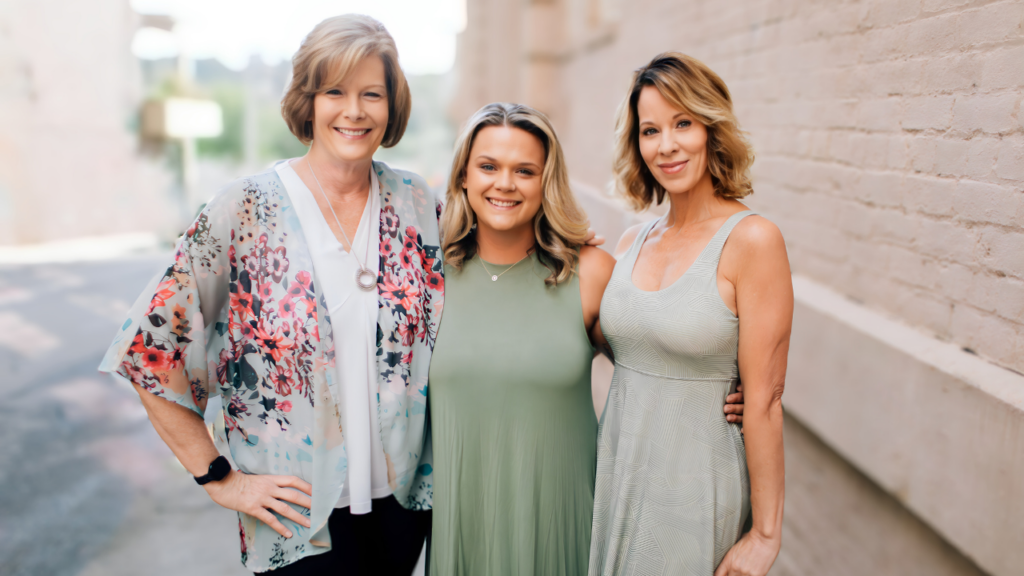
Preferred Care at Home of Central New Jersey can meet you at your home on the day of discharge to ensure a smooth transition. From 24-hour care to live-in care to hourly care, we’ll be by your side every step of your recovery.
Our Certified Home Health aide will be ready to assist with personal care needs such as showering and grooming, homemaker needs such as light housekeeping and laundry, as well as providing transportation to follow-up appointments and assisting with exercises recommended by your medical team.
We know it isn’t easy inviting strangers into your home, but we promise that we’ll become fast friends. Our caregivers are thoroughly screened through an employment interview, criminal background check, in-person employee orientation and on-the-job site visits.
Contact us to discuss your specific care needs.