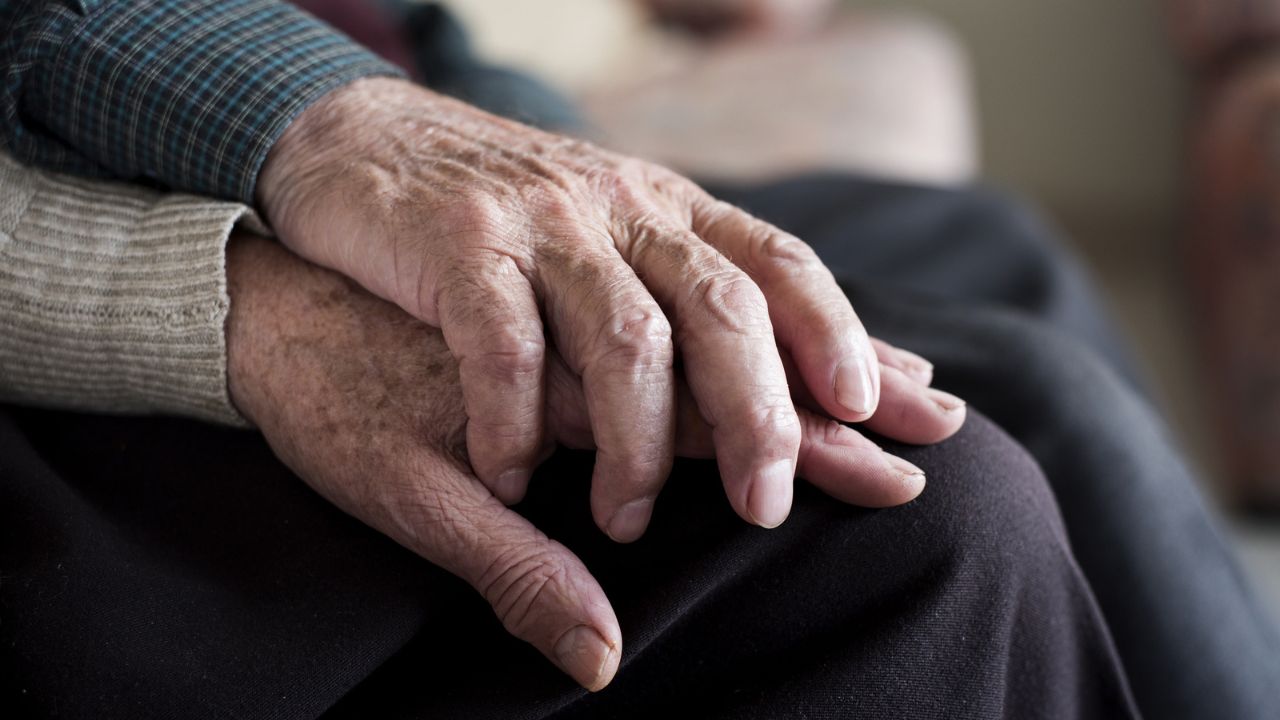
Your last visit home for the holidays was eye opening. Your parents seem so much older than your last visit.
Dad is stooped forward; mom can barely get around with her walker. Neither of them can remember where they put things or why they entered a room. Dad continues to drive them both to appointments, but that no longer seems safe.
How can you help when you don’t live nearby?
There are a few ways to manage caregiving from a distance. Below are a few ideas to get you started:
Decide how you will check in. Will you send a “Good Morning” text to both of them and await their reply? Will you call them every Sunday and ask questions to confirm their well-being?
Identify a nearby neighbor willing to be your eyes and ears in the neighborhood. Ask them if they’ll check-in on your parents if you are unable to reach them and to notify you if they notice concerns.
Create a list of doctors and medications indicating the time of day they are taken. Keep the list posted on the refrigerator and on your phone. You’ll have it handy if you need to text it to the hospital during the admission process. You may also listen in during your parent’s doctor visits so you have a full understanding of their health.
Identify senior resources available to them. Do they have non-emergency medical transportation as part of their Medicare Advantage plan? What other services are available to them through local, state and federal programs?
Perform a home safety assessment to determine if the house is safe for them. Do they need adaptive devices, such as shower grab bars or a stair lift, installed? Do they have area rugs that may become a trip hazard?
Should they be wearing fall detection devices? These devices can automatically notify their emergency contact and the authorities if a fall is detected.
Organize their legal documents ensuring they have at least the first two:
- Last Will and Testament outlines how a person’s assets and property should be distributed after their death.
- Power of Attorney grants you, or someone else, the authority to act on their behalf for financial, legal or healthcare matters. There are different types of POAs that give broad or limited authority. It is critical to ensure that all three areas are included or a separate document should be created addressing the missing component.
- Advanced Directive appoints you, or someone else, to make healthcare decisions on their behalf and indicates their medical wishes, such as resuscitation, organ donation and medical treatment.
- Living Will states end-of-life medication care such as artificial ventilation, nutrition and hydration, should they become incapacitated and unable to communicate.
- Personal Property Memorandum to document who gets family keepsakes such as the engagement ring. This document can be used to list items that were not included in the Will and is much easier to update than the Will.
- Memorial Statement for Death to outline their wishes for the disposition of remains and their funeral/memorial services. While not legally binding, it may ease family conflict.
Preferred Care at Home of Central New Jersey

Preferred Care at Home of Central New Jersey can help your loved ones continue to live safely in their home. Our caregivers provide a variety of services to support bathing and grooming, proper nutrition, medication reminders, housekeeping and laundry, transportation, and physical and mental activity.
Caring from afar may be unchartered territory for you, but you will gain peace of mind knowing you’ve done all you can. As you navigate these challenges, let us be by your side every step of the way. Please feel free to contact us to discuss your care needs.